 ← All call sheets← All call sheets
Concrete, brownstones, taxi blur — the city is the third person in every frame. Dress so it flatters you both.
The city is a gray-and-brick backdrop, which is the entire secret of dressing for it: the couple provides the color, the city provides the texture. Every engagement session that looks expensive follows the same two-look structure — one dressed-up, one everyday — shot in that order.
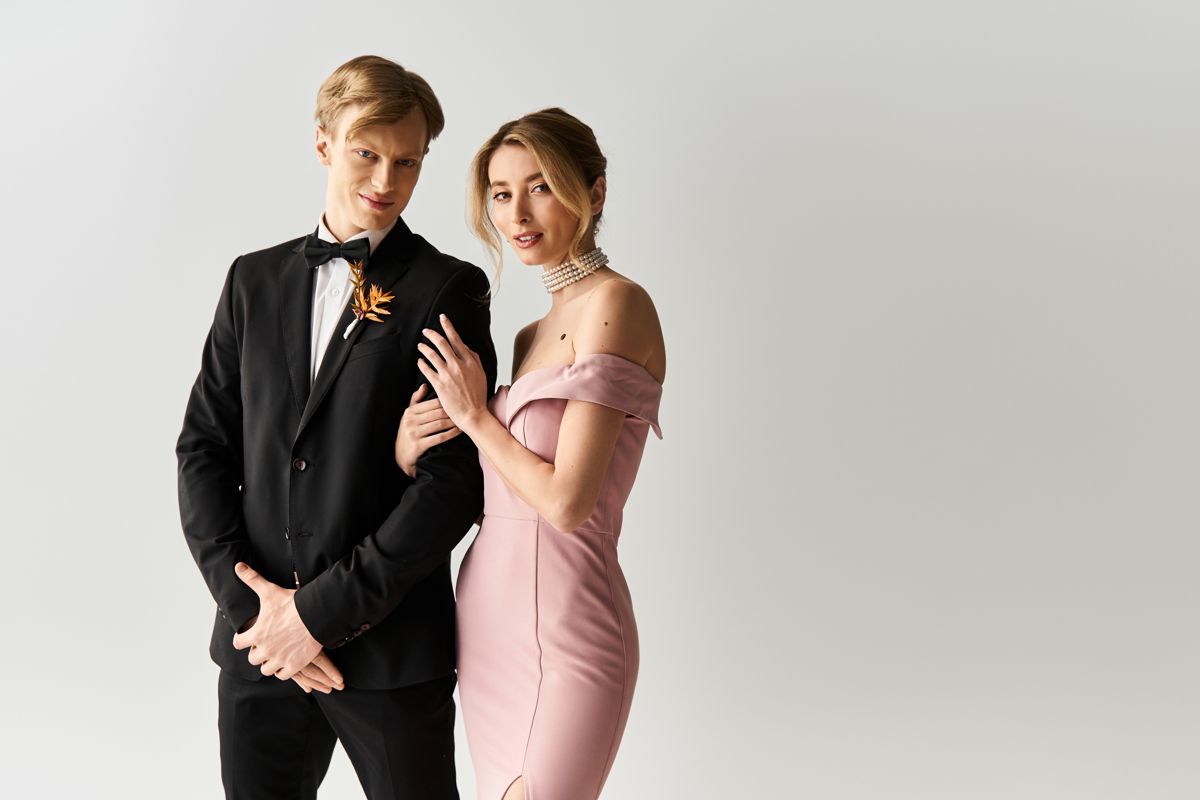
Look one is the occasion look. Her: a midi or maxi dress with movement — the walking shots need fabric that responds. Him: a blazer over a knit, no tie. You're aiming for 'dinner reservation', not 'prom'. Look two is the coffee-run version of yourselves: good denim, white sneakers, his-and-hers knits. The second look is where the candids live, and candids are the frames that end up on the save-the-dates.
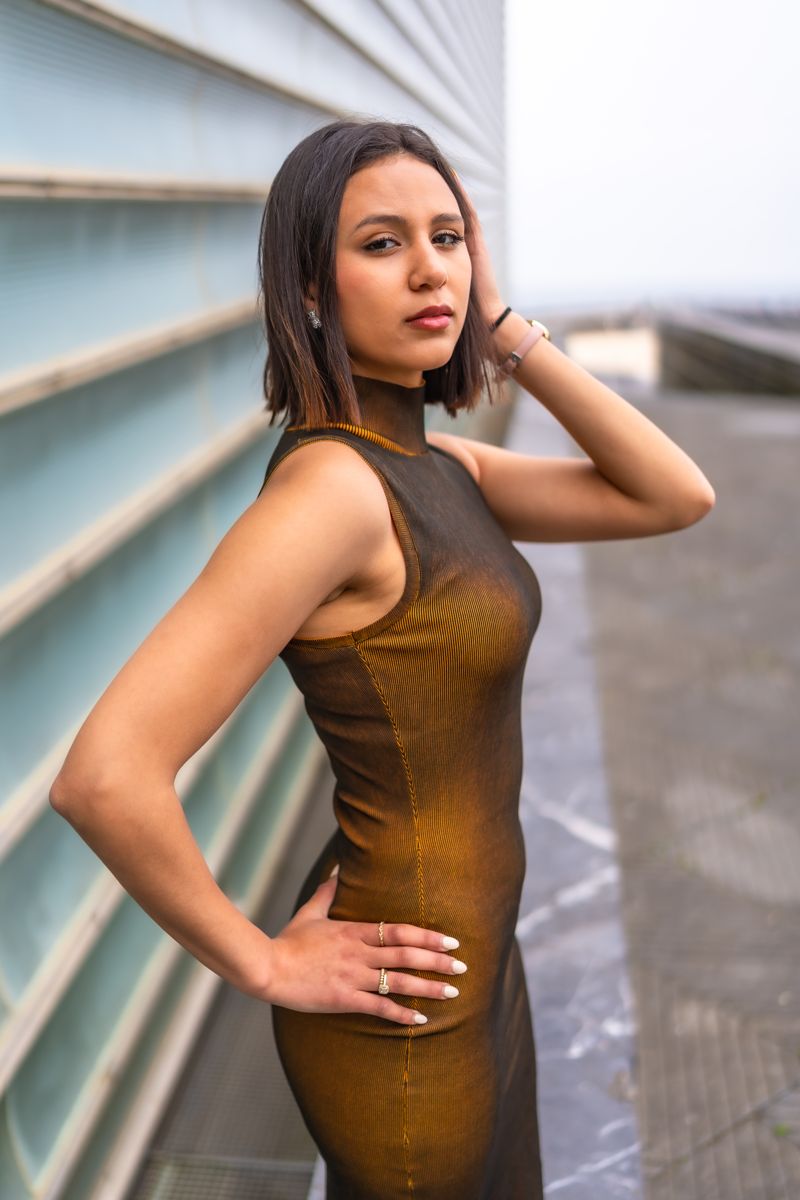
One saturated color per couple, worn by one person. A rust dress against limestone, an emerald skirt in a crosswalk — the city goes monochrome behind it. The partner anchors in navy, cream, or charcoal. Two saturated colors compete; zero and the frame goes flat. And skip the true blacks for look one — black on a groom-to-be reads formal, black on brick reads invisible.
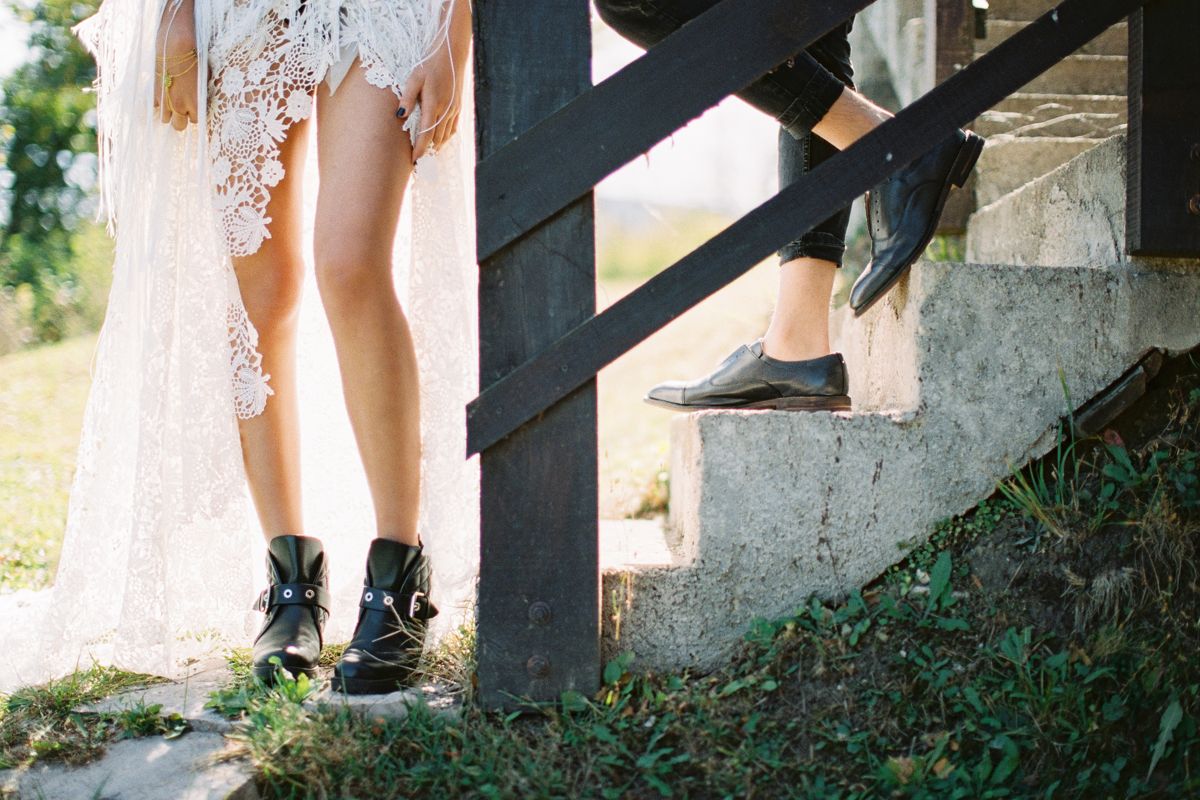
Comfortable shoes are non-negotiable; a city session covers a mile or more. Heels ride in a tote between locations — the tote never appears in frame. Check the hem length against wind (avenues are tunnels), and bring a slim umbrella; wet pavement is a gift, an umbrella fight is not.
The color-rule hero — warm tones against gray stone photograph like autumn all year.
Dinner-reservation energy, no interview stiffness.
Look two's candid uniform; cream on one, muted color on the other.
Both of you. Clean pairs only — box-fresh reads intentional.
One dressed-up look and one everyday look, shot in that order: a midi or maxi dress with movement for her, a blazer over a knit for him — one saturated color per couple against the city's neutrals.
Engagement dinners call for elevated cocktail attire: a satin midi or cocktail dress, strappy heels and a clutch — polished enough for the toasts, comfortable enough for a full evening. See our Cocktail Hour edit for the full shoppable rack. Open the Cocktail Hour edit →