 ← All call sheets← All call sheets
A headshot crops at the sternum — every wardrobe decision above that line is the whole wardrobe. Here's the brief casting directors and recruiters actually respond to.

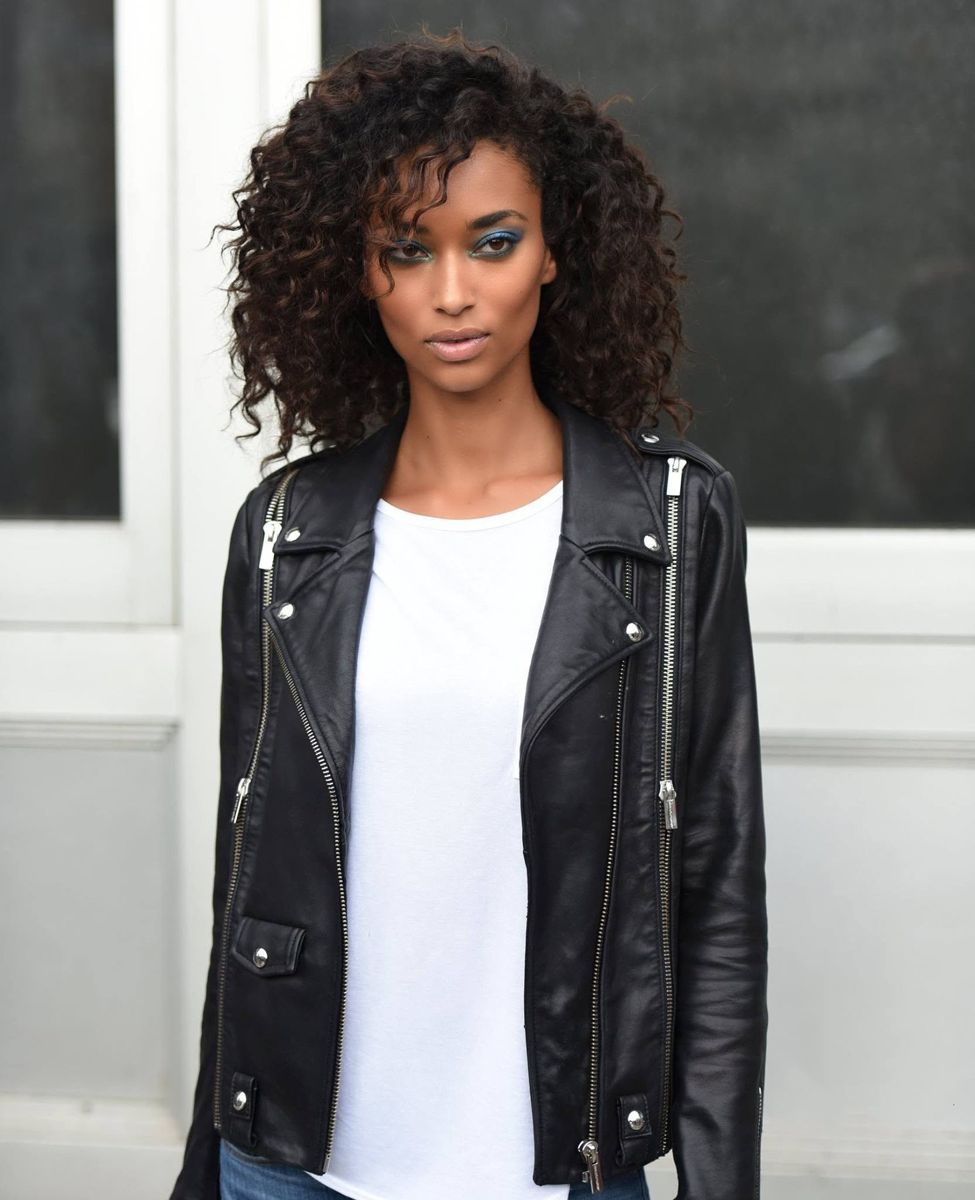
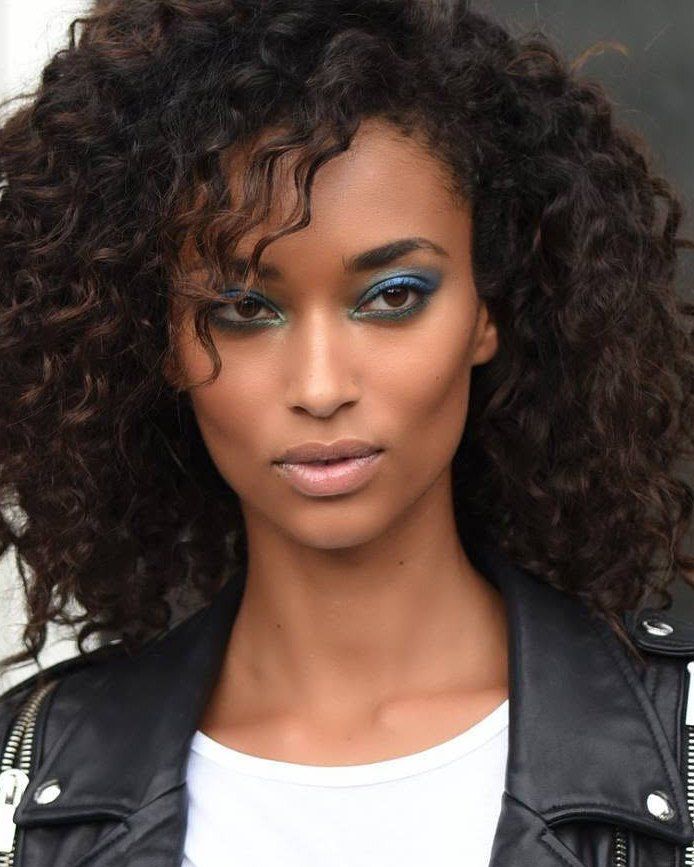
A headshot is a face-delivery system. The wardrobe's only job is to frame the face and then disappear — which is why the best headshot clothing is boring on the hanger and perfect on camera. Solid mid-tones, structured necklines, zero pattern. If someone can describe your headshot by the outfit, the outfit failed.
Necklines decide the frame's geometry. Crew necks read young and open; V-necks lengthen; collars add authority. The rule of thumb: corporate and legal wear collars, creative fields wear crews and knits, actors bring all three because the shot list is really a range list.
The mid-tone rule beats every color theory article: nothing brighter than your face, nothing darker than your hair — the eye goes to the highest contrast in frame, and that contrast must be your eyes. Deep skin tones own jewel colors that wash pale complexions out; pale skin owns the dusty blues and forest greens that vanish on deeper tones. Everyone owns charcoal. Nobody owns neon, and white works only under a layer.
Texture replaces pattern here exactly as it does in family portraits: a knit, a twill, brushed cotton. Texture reads richness at sternum distance; pattern reads noise.
A third piece — blazer, leather jacket, cardigan — does two jobs: it adds a vertical line that slims the frame, and it doubles the shot list, because on-and-off is two different people. Actors: the leather jacket is a genre. Executives: the unstructured blazer keeps authority without the boardroom stiffness of shoulder pads.
The base layer that doesn't wrinkle at the collarbone. Charcoal, navy, forest.
The approachable layer — therapists, teachers, founders who hug.
Shine on a forehead has ended more headshots than bad wardrobe.